

Smart Tickets Can Improve Entry, Data and Fraud Prevention
Smart tickets are often described as a better version of the old PDF or paper ticket. That is true, but it undersells their real value.
For event organizers, smart tickets are not just a delivery format. They are an operational layer that connects checkout, entry, sales control, attendee data and fraud prevention. When implemented well, they help the door team move faster, give producers a clearer view of demand and make it harder for duplicate or fake tickets to create chaos at the entrance.
This matters for any event where timing, trust and cash flow are critical. A club night with a tight entry window, a music showcase with multiple ticket tiers, a conference with VIP access or a pop-up event with limited capacity all depend on one thing: the ticket needs to be easy for the buyer, reliable for the organizer and verifiable at the door.
What makes smart tickets different?
A smart ticket is a digital ticket connected to live information. Instead of acting as a static proof of purchase, it can be checked, updated, validated and reconciled against real-time event data.
A basic ticket says someone paid. A smart ticket helps answer operational questions like:
- Is this ticket valid right now?
- Has it already been scanned?
- Which ticket tier or access type does it belong to?
- Was it purchased through an approved sales flow?
- Does the entry team have the latest guest list?
- Which promo code, sales phase or pricing tier drove the purchase?
That distinction is important. A static ticket can be copied, forwarded, screenshotted or manually checked in a way that leaves room for mistakes. A smart ticket, when connected to a live validation system, gives the organizer a single source of truth.
If you are already moving away from paper or static files, the next step is not simply to make tickets digital. It is to make the ticket part of the workflow. TixFlow takes this approach with tools like real-time sales control, digital guest lists, customizable event pages and a checkout flow designed to reduce friction for buyers.
Faster entry starts before the first scan
Most entry problems do not begin at the door. They begin earlier, during ticket setup, checkout and delivery.
If attendees need to create accounts, search through old emails, print attachments or explain their purchase to staff, the line slows down before scanning even starts. If the door team works from a stale spreadsheet, a screenshot folder or a manually exported list, every exception becomes a delay.
Smart tickets improve entry because the ticket and the guest list are connected. When someone buys, the ticket is delivered digitally and the organizer can work from updated data. When the attendee arrives, the team can validate the ticket quickly instead of interpreting different formats or checking names manually.
This is one reason many organizers are shifting from simple digital files to connected ticketing systems. As explained in TixFlow's guide to why digital ticket formats improve entry and reduce fraud, the format of the ticket affects both speed and trust at the venue.
The practical benefit is simple: fewer conversations at the entrance. The best entry experience is often not memorable. The attendee shows the ticket, the staff scans or checks it, the system confirms access and the line keeps moving.
Better event data without making checkout harder
Data is one of the most underrated benefits of smart tickets. Organizers often think of ticket data only after the event, when they want to know how many people came or how much revenue was generated. In reality, the most valuable data appears while the event is still on sale.
Smart tickets can help organizers understand demand while there is still time to act. Instead of waiting for a final report, you can watch ticket sales by tier, phase, promo code or time period. That information can guide pricing, capacity planning, marketing spend and staffing decisions.
For example, if early-bird tickets sell out quickly but the next tier stalls, the issue may be price sensitivity, timing or a weak announcement strategy. If a promo code performs well for one partner but not another, you can adjust promotion before the event date. If sales spike after a lineup reveal, you know which message created urgency.
The key is to collect useful data without turning checkout into a form that scares buyers away. Organizers do not need to ask for every possible detail upfront. In many cases, essential purchase and ticket data is enough to make better decisions, especially when the platform provides clear real-time reporting.
A healthy smart ticketing setup balances two goals: reduce buyer friction and give organizers meaningful insight. If you want to go deeper on the metrics side, TixFlow's article on using ticket statistics to improve event sales explains how sales velocity, tier performance and promo activity can support better decisions.
| Organizer question | How smart tickets help |
|---|---|
| Which ticket tiers are moving fastest? | Sales can be tracked by tier instead of only total volume. |
| Which promotions are actually working? | Promo code usage can be tied to ticket purchases. |
| Is demand strong enough to open another phase? | Real-time sales activity can guide pricing and capacity decisions. |
| How many attendees should the door team expect? | Digital guest lists can reflect current sales instead of outdated exports. |
| Are buyers dropping off before payment? | Checkout behavior can reveal where friction may be hurting conversion. |
Fraud prevention is about control, not just security features
Ticket fraud can feel like a rare edge case until it happens at your event. A few duplicate screenshots, a leaked PDF or a fake resale listing can create a messy situation for attendees and staff. Even if only one person is affected, the damage can spread quickly through social posts, angry messages and pressure at the door.
The Federal Trade Commission warns consumers about ticket scams, including fake sites and suspicious resale offers. For organizers, the lesson is clear: fraud prevention is not only a buyer education issue. It is also a ticketing workflow issue.
Smart tickets help by making each ticket easier to verify and harder to reuse incorrectly. A connected ticket can be checked against current event data. If the ticket has already been redeemed, the system can flag the issue. If a guest list is digital and updated in real time, the door team is less dependent on guesswork or offline files.
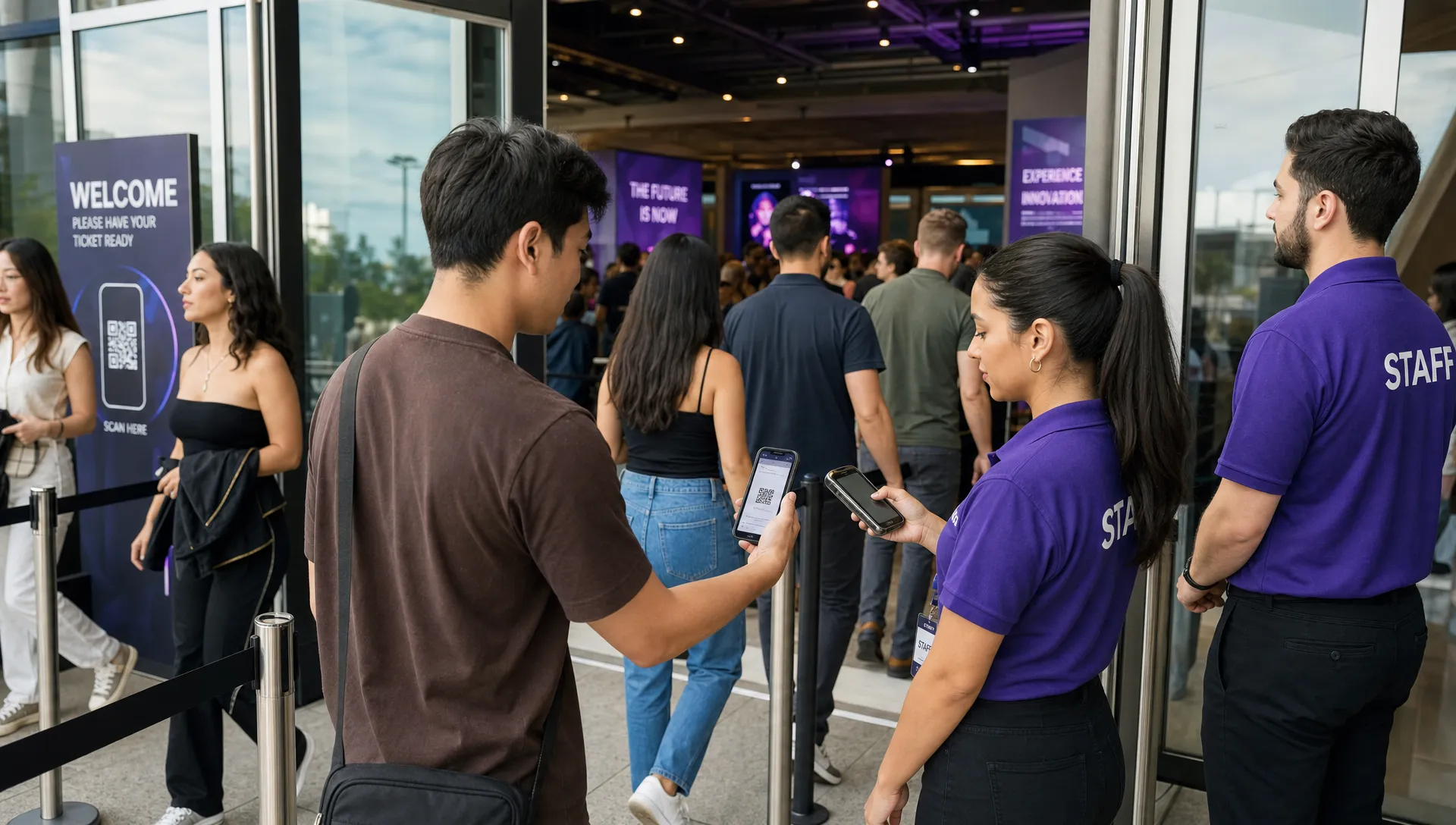
Fraud prevention is strongest when the entire ticket lifecycle is controlled. That includes how tickets are created, how they are delivered, how promo codes are used, how guest lists are updated and how entry is validated. A secure code alone is useful, but it is not enough if the rest of the process is messy.
Here are common risks smart ticket workflows can reduce:
- Duplicate use, where the same ticket image or file is presented by multiple people.
- Fake resale, where a buyer receives a copied, edited or invalid ticket from an unofficial source.
- Manual list errors, where names are missing because exports are outdated.
- Promo code abuse, where public sharing or poor limits create unexpected revenue leakage.
- Door disputes, where staff cannot quickly confirm whether a ticket should be accepted.
The goal is not to make entry feel strict or unfriendly. The goal is to give your team fast answers. When staff can confidently confirm whether a ticket is valid, they can handle problems calmly and keep the line moving.
Smart tickets support better cash flow decisions
For organizers and music producers, ticketing is not only about attendance. It is also about cash flow.
Venue deposits, artist payments, production costs, staff, marketing and security often need to be paid before the event happens. If your ticketing setup delays visibility or access to funds, you may be forced to make decisions with incomplete information.
Smart tickets help because they connect sales activity to operational control. When you can see how each phase is performing, you can decide whether to open a new tier, extend a promotion, increase marketing or adjust capacity. When your payment workflow is simplified, you can reduce the gap between selling tickets and using that revenue to run the event.
TixFlow is built with organizer cash flow in mind through features such as instant payouts, flat per-ticket fees and Stripe Connect integration. For a broader look at payment operations, the guide on simplifying ticketing payments for faster payouts explains how fewer handoffs can make ticketing revenue easier to manage.
The bigger point is that smart tickets give organizers more than proof of entry. They provide signals. A sudden spike in VIP tickets can influence staffing and layout. Slow sales in a later tier can trigger a campaign change. Strong promo performance can justify deeper collaboration with a partner. These are business decisions, and they depend on current data.
What to look for in a smart ticketing platform
Not every digital ticketing tool is equally useful. Some platforms digitize the ticket but still leave organizers with slow payouts, clunky checkout, limited pricing control or manual door workflows. A better platform should improve the full journey from purchase to entry.
When comparing options, focus on the parts of ticketing that directly affect your event operations:
- Fast buyer checkout, ideally without forcing account creation before purchase.
- Flexible pricing, including multiple ticket tiers and controlled sales phases.
- Real-time organizer control, so you can adjust sales based on demand.
- Smart promo code tools, especially if partners or artists promote the event.
- Digital guest lists that keep the door team aligned with current sales.
- Clear fee structure, so revenue planning is easier.
- Fast payout workflow, especially when event expenses are due before show day.
For attendees, the experience should feel simple. They discover the event, choose a ticket, pay and receive confirmation without unnecessary steps. For organizers, the system behind that experience should provide control, visibility and trust.
That is where smart tickets become more than a technical upgrade. They become a smoother operating model.
Smart tickets work best when the event team uses the data
Technology alone does not fix a poorly planned entry flow. Smart tickets give organizers better tools, but the team still needs a clear process.
Before sales open, define ticket tiers carefully. Avoid creating so many categories that buyers become confused or staff cannot quickly understand access rules. Use sales phases intentionally, not just as labels. A phase should represent a real pricing or availability strategy.
Before doors open, make sure staff know how to handle valid tickets, already scanned tickets, guest list exceptions and payment questions. If you use promo codes, decide in advance how you will resolve claims from attendees who thought a code applied but did not complete checkout correctly.
After the event, review what the data says. Which tier sold fastest? Which sales phase created the most revenue? How many door issues were caused by screenshots, name mismatches or late buyers? Over time, this feedback loop makes every event easier to run.
Smart tickets are most powerful when they create a cycle: sell, measure, adjust, validate and learn.
Frequently Asked Questions
What are smart tickets? Smart tickets are digital tickets connected to live event data. They can support faster validation, real-time guest lists, sales tracking and better fraud prevention than static paper tickets or basic PDF files.
Do smart tickets require attendees to create an account? Not necessarily. A smart ticketing experience can still avoid buyer registration. In fact, reducing checkout friction is often better for conversion, as long as the organizer collects the essential information needed to deliver and validate the ticket.
How do smart tickets help prevent fraud? Smart tickets can be checked against a live guest list or validation system. This helps identify duplicate use, already redeemed tickets, invalid entries and other issues that are harder to catch with static files or manual lists.
Can smart tickets improve event sales? Yes. Because smart tickets are connected to sales data, organizers can monitor ticket tier performance, promo code usage and demand by phase. That visibility can help with pricing, marketing and cash flow decisions before the event happens.
Are smart tickets only for large events? No. Smaller events often benefit even more because teams have fewer staff and less room for operational mistakes. Faster entry, cleaner data and simpler payment workflows can make a major difference for club nights, showcases, workshops and local productions.
Build a smarter ticketing workflow with TixFlow
Smart tickets improve more than the scan at the door. They help organizers reduce friction, understand demand, protect against fraud and make better cash flow decisions while tickets are still selling.
TixFlow is designed for modern event organizers who want fast setup, instant payouts, low fees, flexible pricing, real-time sales control, customizable event pages and digital guest lists. If you want ticketing that works for both attendees and your operations team, a smarter system is the right place to start.