
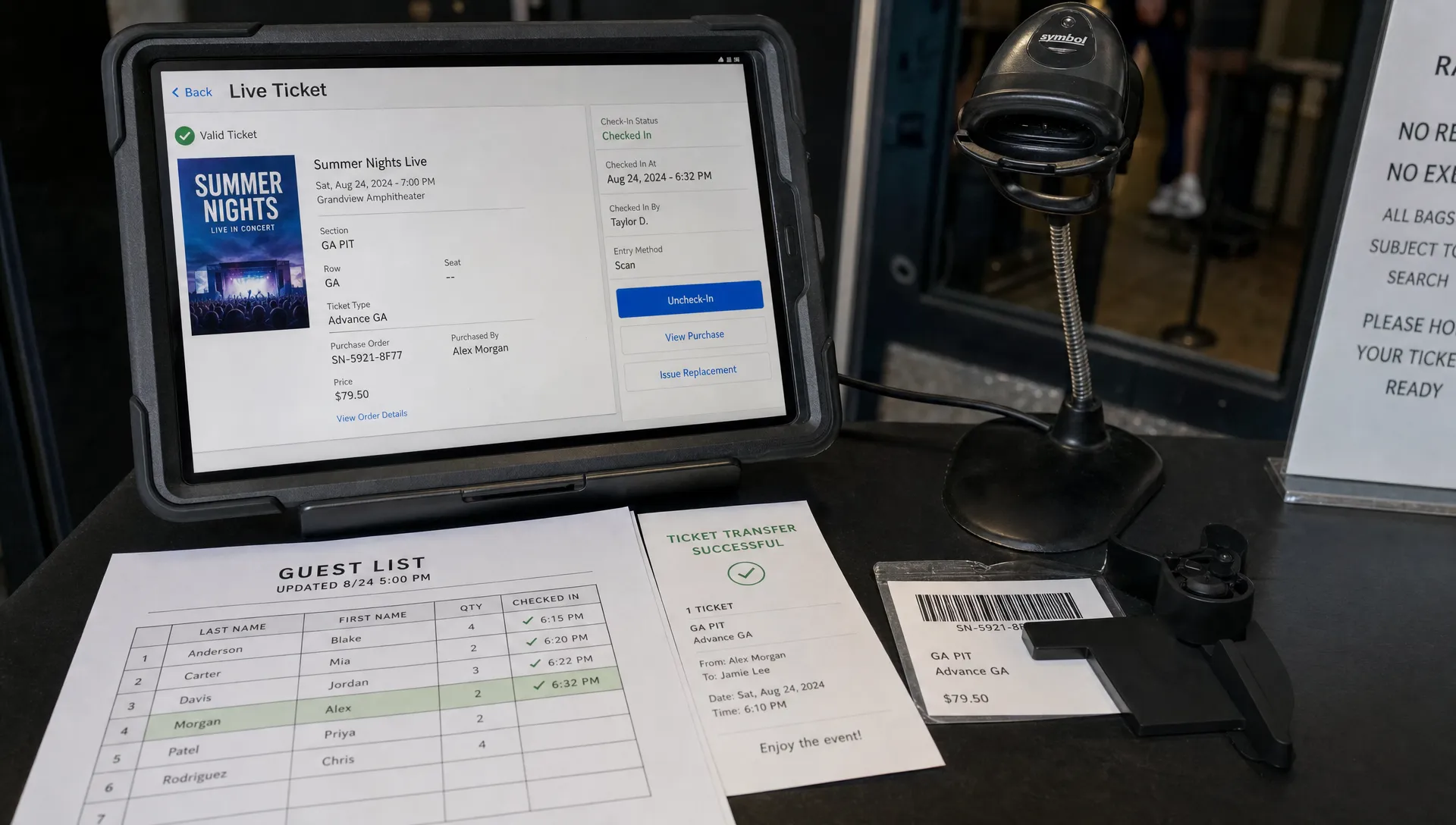
Sell My Tickets With Proof of Purchase Through Safe Transfers
When someone searches for “sell my tickets with proof of purchase,” they are usually trying to solve a trust problem. Buyers want to know the ticket is real, sellers want to avoid disputes and organizers need a transfer process that does not create chaos at the door.
For event teams, this is not only a resale issue. It affects attendee confidence, fraud prevention, cash flow, support workload and the final check-in experience. A screenshot of a receipt may feel reassuring, but it is not enough if the ticket record, barcode status and buyer identity do not update safely.
What “sell my tickets with proof of purchase” means for organizers
For an organizer, proof of purchase should mean there is a verifiable ticket record tied to a real order, not just an image someone can forward. The buyer should be able to confirm that the ticket exists, was issued by the official sales channel and has not already been used, refunded or transferred to someone else.
That proof can live in several places: the order confirmation, the attendee account or wallet, the event platform dashboard and the digital guest list used at entry. The safer the connection between those records, the easier it is to answer the real buyer question behind “sell my tickets with proof of purchase”: will this ticket actually get me in?
| Proof element | What it confirms | Why it matters |
|---|---|---|
| Order confirmation | A purchase was completed through an accepted channel | Reduces fake listing risk |
| Ticket ID or reference | The ticket is a unique record, not a generic image | Helps support teams verify status |
| Current ticket status | The ticket is valid, unused and not refunded | Prevents duplicate entry attempts |
| Transfer confirmation | Ownership or attendee details changed safely | Protects the new buyer |
| Updated guest list | The door team sees the correct attendee | Reduces delays at check-in |
The proof buyers actually trust
A buyer asking to sell my tickets with proof of purchase is not asking for every private detail of the original order. They need enough evidence to feel safe without exposing sensitive information such as full payment details, home addresses or scannable codes before the transfer is complete.
Records that prove legitimacy
The strongest proof comes from the ticketing system itself. Ideally, the buyer receives an official transfer email, a fresh ticket record or a confirmation page after the transfer. That beats a forwarded PDF because the platform can invalidate the old ticket and update the person who appears on the door list.
Organizers can make this easier by using digital ticket formats built around unique identifiers and real-time validation. If you want a deeper look at why this matters at entry, TixFlow has a useful guide on how digital formats improve entry and reduce fraud.
What not to share as proof
Proof should never require a seller to publish the full QR code or barcode on a public marketplace. Once a scannable code is exposed, someone can copy it, attempt early entry or use it to create a convincing fake listing.
A safer proof package can show the event name, date, ticket type, order status and partial order reference while hiding the scan code until the transfer is official. This keeps buyer confidence high without turning proof into a fraud opportunity.
A safer transfer workflow from listing to entry
The safest answer to sell my tickets with proof of purchase is a transfer workflow where the platform confirms the ticket before the buyer pays or before the attendee record changes. The more manual the process, the more room there is for duplicate screenshots, late support requests and disputes.
A practical safe-transfer flow looks like this:
- The original ticket is verified as valid, unused and transferable.
- The seller shares limited proof, not the full QR code.
- The buyer receives clear ticket type, event date, location and restrictions.
- Payment and transfer happen through trusted channels, not informal messages.
- The old ticket access is removed or replaced when the transfer completes.
- The guest list updates before doors open.
If you are building this process as an organizer, think in terms of ticket records rather than ticket files. A PDF can be copied, but a live ticket record can be checked, changed and invalidated. For practical setup advice, see this guide on how to create digital tickets for secure event entry.

Policies that make verified transfers easier
An organizer who wants attendees to sell my tickets with proof of purchase safely should publish transfer rules before tickets go on sale. If the policy only appears after people start asking support, buyers and sellers will create their own workarounds.
Clear policies reduce panic. They also protect revenue because legitimate buyers are less likely to avoid your event due to uncertainty. State whether transfers are allowed, when they close, whether ticket names must match IDs and what happens if a ticket was bought through an unofficial channel.
Transfer windows and cutoffs
Transfer cutoffs are especially important for busy events. If tickets can move between people until five minutes before doors, your support team and check-in staff may have to sort out disputes in real time. If transfers close too early, honest buyers may get stuck.
A reasonable policy depends on the event format. A seated theater show, a nightclub event and a multi-day festival all have different operational risks. The main point is to make the cutoff visible on the ticket page, in confirmation emails and anywhere attendees manage their tickets.
Pricing rules and revenue protection
Transfers can also affect pricing integrity. If your early-bird tickets are resold publicly at a large markup, late buyers may feel the organizer created artificial scarcity even when the resale was outside your control. On the other hand, banning all transfers can frustrate honest customers whose plans change.
Organizers can reduce tension by using phased pricing, clear refund language and targeted promo codes. This keeps the official buying path attractive while discouraging risky gray-market sales. For a broader pricing view, read TixFlow’s article on how to sell your tickets without cutting into revenue.
Cash flow, fraud and the proof trail
For cash-flow-conscious organizers, sell my tickets with proof of purchase is also a finance issue. Every unclear transfer creates potential chargebacks, refund requests and support costs that eat into the money you thought you had already earned.
A strong proof trail helps resolve disputes faster. If a buyer claims they never received a ticket, you can check the order record. If someone arrives with a duplicated QR code, the door team can see which ticket was valid first. If an attendee says they bought from a reseller, you can determine whether the transfer was official or outside your policy.
TixFlow is built around fast, low-friction event sales with features such as instant payouts, flat per-ticket fees, no buyer registration, real-time sales control, customizable event pages, unlimited ticket tiers, automated sales phases, smart promo codes, digital guest lists and Stripe Connect integration. Those pieces matter because safer ticket operations depend on clean records from purchase through check-in.
Examples by event type
A small concert promoter may need simple proof that a general admission ticket has moved from one fan to another. A conference organizer may need the attendee name, company and badge details updated before printing credentials. A fight night producer may need ticket transfers, athlete comps, sponsor allocations and merch pickup records to stay aligned.
That last example shows why event operations should be treated as one connected system. If you organize combat sports events, you might sell admission, coordinate fighter teams and source branded gear from a private label MMA apparel manufacturer while still needing one reliable ticket record for every person entering the venue.
| Event type | Common transfer risk | Safer proof approach |
|---|---|---|
| Concert or club night | Screenshots shared in group chats | Use live digital tickets and scan validation |
| Conference | Wrong attendee name or badge details | Require attendee detail updates before cutoff |
| Sports event | Comp tickets mixed with paid tickets | Separate ticket tiers and track status clearly |
| Workshop or class | Small team handling manual changes | Keep a clean order log and confirmed guest list |
How TixFlow supports a cleaner selling path
If you are using TixFlow to sell my tickets with proof of purchase in a safer way, the goal is to keep the official purchase path simple enough that buyers do not feel pushed toward risky alternatives. A fast checkout with no buyer registration reduces abandonment, while customizable event pages help attendees understand exactly what they are buying.
Real-time sales control, unlimited ticket tiers and automated sales phases also help organizers manage demand without improvising. When buyers can see clear ticket types, prices and sales windows, there is less confusion for unofficial sellers to exploit. Digital guest lists then help the door team validate who should enter without relying on scattered spreadsheets.
The best transfer policy is not only a legal sentence in your terms. It is the operating system behind your ticket sales, support inbox and entry flow. When proof, payment and validation stay connected, buyers trust the ticket, sellers have fewer disputes and organizers protect both revenue and reputation.
Frequently Asked Questions
What counts as proof of purchase for event tickets? Useful proof can include an official order confirmation, ticket reference, event name, ticket type and current ticket status. The safest proof comes from the ticketing platform, not from a standalone screenshot.
Should sellers show the QR code before a transfer is complete? No. Sharing the full QR code or barcode before the transfer creates fraud risk. Sellers should hide scannable codes until the ticket has been officially transferred or reissued.
How can organizers make ticket transfers safer? Organizers should define transfer rules early, use digital ticket records, update guest lists in real time and make the official purchase path easier than informal resale.
Can I sell my tickets with proof of purchase without hurting buyer trust? Yes, if the proof confirms the ticket is valid while protecting sensitive details. The safest approach is an official transfer process that updates ownership and invalidates any outdated ticket access.
Why does proof of purchase matter at the door? Door teams need to validate the current ticket record, not a receipt image. Good proof reduces disputes before the event, but real-time scan validation is what protects entry on the day of the event.
Keep transfers safe from checkout to check-in
Verified transfers work best when they are planned before the first ticket is sold. If you want fast checkout, clean ticket records and better control over event cash flow, build your sales process around proof that can actually be validated at the door.
TixFlow gives organizers a modern ticketing setup with instant payouts, flat per-ticket fees, flexible ticket tiers, customizable checkout and digital guest lists. Use it to reduce friction for buyers, simplify operations for your team and keep ticket sales connected from purchase to entry.