
Event Resale Tickets and How to Limit Unauthorized Transfers
For organizers, event resale tickets can feel like a problem that starts after the sale, but the real leverage comes much earlier. Unauthorized transfers usually grow out of unclear policies, static ticket files, poorly timed sellouts and buyers who have no trusted way to pass a ticket on when plans change.
The goal is not to punish every transfer. People get sick, travel changes and groups reorganize. A healthy event operation can allow legitimate handoffs while blocking behavior that harms buyers, weakens revenue or causes chaos at the door.
A workable plan for event resale tickets combines policy, product settings and day of event operations. If you only write strict terms, buyers may ignore them. If you only rely on scanners, your door team inherits every dispute. The strongest setup makes the approved path easier than the risky one.
Why unauthorized transfers are risky for organizers
Unauthorized transfers are not just a buyer protection issue. They affect how much money you keep, how confidently you can forecast attendance and how quickly your team can admit people when doors open.
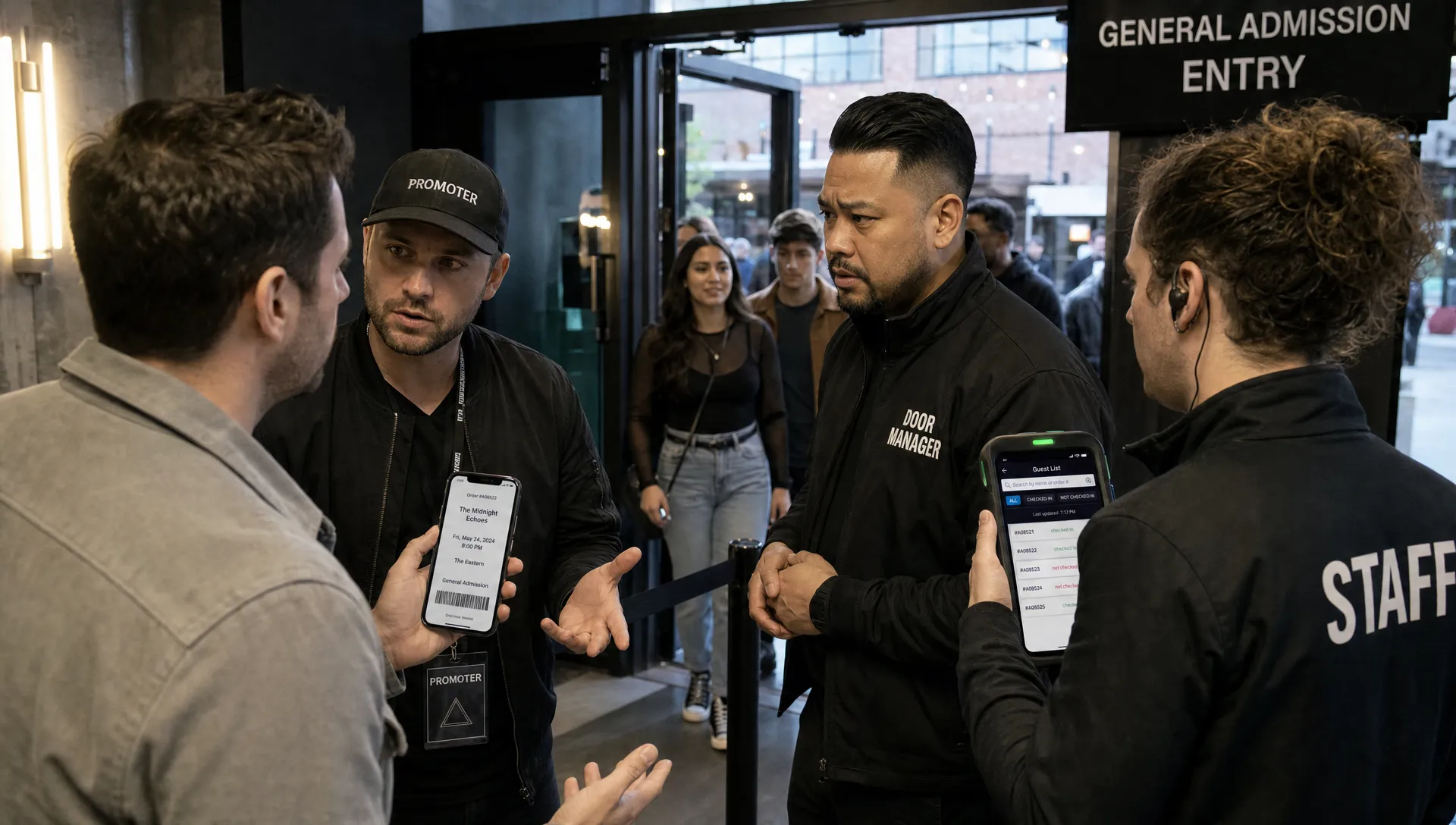
The most common damage comes from duplicate claims. One person buys a ticket, sends the same PDF or screenshot to several people, then the first person scanned gets in. Everyone else reaches the door believing they own a valid ticket. Staff must decide whether to turn them away, hold the line or escalate to management.
There is also a pricing problem. If scalpers capture underpriced early tiers and resell them at a markup, the organizer loses control of scarcity. Fans blame the event for high prices even if the extra money never reaches the promoter, venue, artist or production budget.
For music producers and independent promoters, that can damage trust fast. Your audience may not separate the official checkout from a random listing in a social group. If they get scammed, they remember the event name.
Event Resale Tickets: What You Can Actually Control
You cannot control every conversation between buyers, friends and strangers online. You can control the rules attached to the ticket, the format of the ticket, the timing of sales and the official alternatives you give buyers.
A strong policy for event resale tickets does three things: it defines what is allowed, explains what will not be honored and gives legitimate buyers a safer path. That last part matters. If your policy only says no resale or no transfer, some buyers will still try to solve their problem elsewhere.
Ticket resale laws vary by state and country, so organizers should treat this as operational guidance rather than legal advice. In the United States, the federal BOTS Act targets the use of bots to bypass ticket limits and resell tickets obtained that way, but it does not replace your own transfer rules, refund policy or venue procedures.
| Resale problem | Why it happens | Organizer control that helps |
|---|---|---|
| Duplicate screenshots | Static files are easy to copy | Real time validation and invalidation after transfer |
| Inflated prices | Early inventory is captured too cheaply | Better tier strategy and phased releases |
| Fake listings | Buyers cannot verify ownership | Proof of purchase and official transfer paths |
| Door disputes | Staff lack a single source of truth | Digital guest lists and scan status checks |
| Chargeback exposure | Buyer claims fraud or non delivery | Clear terms and transaction records |
Start With Transfer Rules Before Tickets Go On Sale
Transfer limits should be visible before checkout, not buried after purchase. Buyers need to know whether tickets can be transferred, when transfers open, whether the recipient must match the name on the guest list and what happens if a ticket is sold outside your approved process.
For general admission events, the most practical rule is often not a total ban. A strict no transfer rule can create friction for groups and make customer support harder. Instead, consider a controlled transfer window, such as allowing transfers only after a certain date or only through an approved process that reassigns the ticket record.
Higher risk ticket types deserve tighter rules. VIP packages, backstage access, artist meet and greet tickets and industry list spots may require ID matching because the ticket includes more than entry. In those cases, the policy should say exactly what the buyer must bring and whether the name can be changed.
If event resale tickets are likely because demand exceeds supply, your policy should also cover pricing. Some organizers allow face value transfers but reject listings above original price. Others allow limited transfers between known buyers. Choose a rule your team can actually enforce at the door and in support.
Use Digital Ticket Design to Reduce Unauthorized Transfers
Ticket format has a direct effect on resale behavior. Static PDFs and screenshots are easy to forward, which makes them convenient but weak. Digital tickets tied to a unique record give your team more control because the ticket can be checked against current status instead of treated as a one time file.
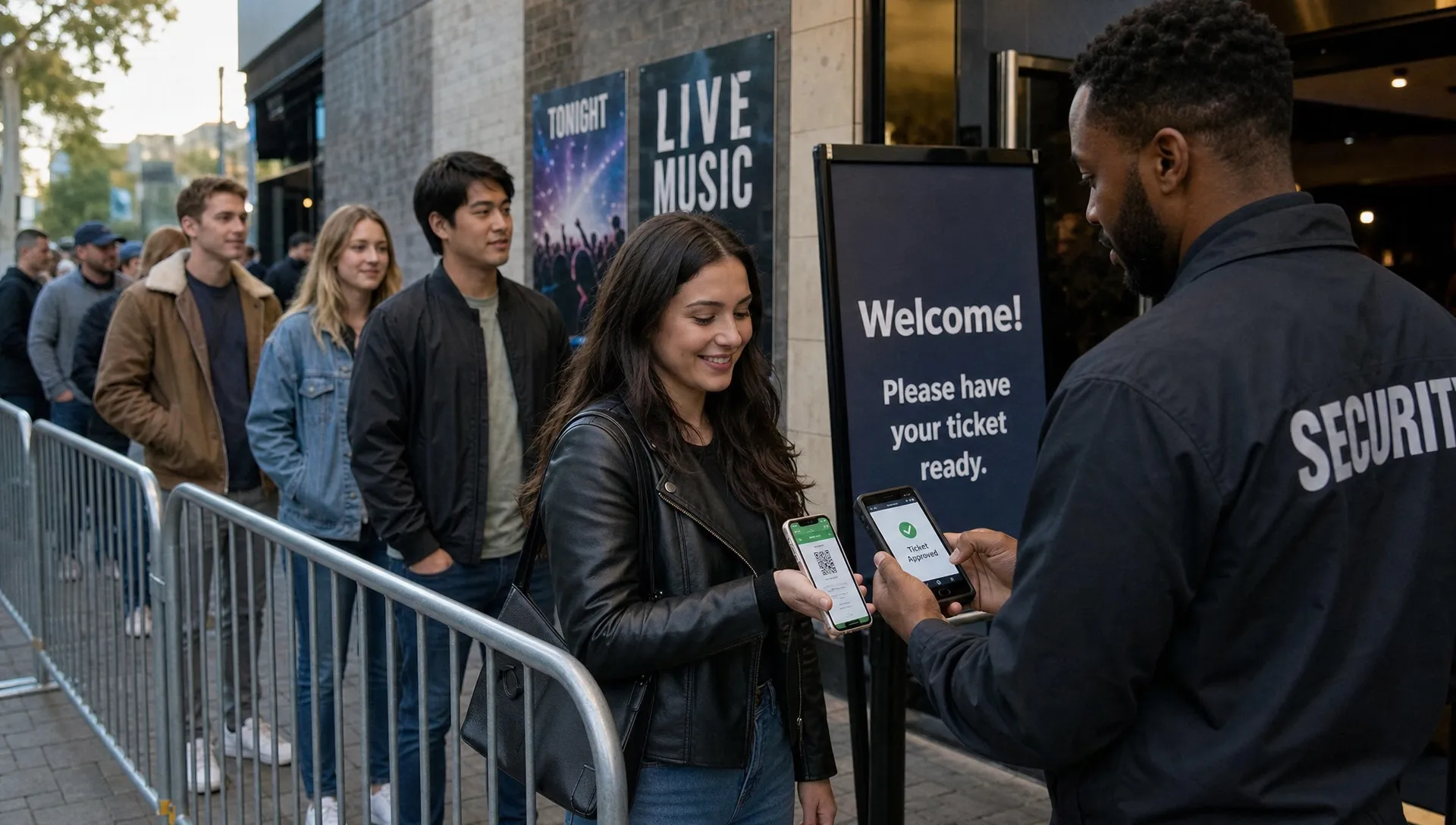
Real time validation is the key difference. When a QR code is scanned, the system should know whether the ticket is valid, already used, refunded, voided or transferred. If the ticket has changed hands through an approved process, the old version should no longer work.
This is why many organizers are moving away from loose file based tickets. A digital ticket is not automatically secure, but it can support better controls when paired with live scan status and a clean guest list. TixFlow supports digital guest lists and real time sales control, which helps event teams make decisions from current ticket data rather than stale spreadsheets.
For a deeper look at secure formats, TixFlow has a separate guide on why digital ticket formats reduce fraud and improve entry. The short version is simple: the more your door process depends on current ticket records, the less power a copied screenshot has.
Control Demand With Smarter Pricing and Sales Phases
Unauthorized resale often begins when the official market feels unfair or unpredictable. If the first batch is too cheap, too broad or too easy for opportunistic buyers to capture, the resale market becomes the place where true demand shows up.
This does not mean every event should charge more. It means pricing should match the pace of demand. Unlimited ticket tiers, automated sales phases and smart promo codes can help you reward early supporters without giving resellers unlimited cheap inventory. TixFlow offers those controls, which can be useful for promoters who need both momentum and margin protection.
For example, an early bird tier can be capped, a second tier can open automatically and a promo code can be reserved for a partner list rather than posted publicly. These choices reduce the chance that one buyer absorbs inventory meant for fans.
When event resale tickets appear because the event sold faster than expected, pricing data can also guide your next release. If resale listings are far above face value within hours, the next event may need smaller early tiers, a stricter purchase limit or a later release for high demand inventory. For more margin focused planning, see TixFlow's guide to event ticket pricing strategies.
Offer a Safe Transfer Path Instead of Forcing Workarounds
A transfer policy works better when buyers have somewhere to go. If someone cannot attend, the safest answer is an official process that updates the ticket record, creates proof of transfer and protects the buyer at the door.
The safest approach to event resale tickets is to separate ownership from possession. Possession means someone has a screenshot or forwarded email. Ownership means the system recognizes that person as the current valid ticket holder. Your process should make ownership the thing that matters.
Approved transfers can be simple. The original buyer submits the recipient's email, the system voids the old access credential and the recipient receives the valid ticket. For higher value events, you may add review steps, name change deadlines or limits on the number of transfers.
If you allow resale, proof of purchase becomes central to trust. Buyers need confidence that the seller controls a real ticket and sellers need a record that the transfer was completed. TixFlow's article on safe transfers with proof of purchase covers this trust problem from the buyer and seller side.
Refunds and waitlists can also reduce risky transfers. If buyers know they can return a ticket before a deadline or release it to a waitlist, they have less reason to post it in unmoderated channels. That gives the organizer a chance to resell the seat or spot through the official checkout.
Protect Cash Flow While Reducing Resale Abuse
Cash flow matters, especially for independent events where deposits, artist guarantees, venue costs and production invoices come due before the show. Unauthorized resale can distort your cash picture because demand appears outside your official sales data.
Cash flow is where event resale tickets become more than a fraud issue. If too much activity moves to informal resale channels, the organizer loses visibility into true demand, discount leakage and buyer support risk. You may think demand slowed, while the audience is actually paying someone else.
A platform with instant payouts can help organizers use ticket revenue sooner, but payout speed should sit alongside control. The cleaner your official checkout is, the more buyers stay inside your system. TixFlow is built around instant payouts, flat per ticket fees and no buyer registration, which can reduce friction without forcing organizers to give up real time sales control.
Flat fees are also useful for planning. If your fee structure is predictable, you can set resale and refund policies around net revenue instead of guessing how much each order actually contributes. For promoters managing tight budgets, that clarity is part of fraud prevention because it reduces the temptation to oversell, overdiscount or rely on informal manual fixes.
Prepare the Door Team for Transfer Disputes
Even the best policy will face edge cases. A buyer may arrive with an old screenshot. A friend may claim the original buyer transferred the ticket verbally. A reseller may send someone a confirmation email that does not match the valid ticket record.
By the time event resale tickets reach the door, your staff needs a simple hierarchy. The live guest list should win over screenshots. Scan status should win over forwarded emails. A documented transfer record should win over a text message.
Give the door team short scripts, not legal language. They should be able to say that the ticket has already been used, the ticket is not assigned to that person or the event only honors transfers completed through the official process. Then they should know where to send the attendee for escalation without blocking the main line.
It also helps to create an exception lane or support desk for sold out events. That keeps disputes away from the scanner flow and gives a manager space to check order history, transfer status and policy exceptions. The goal is not to debate every case at the door, it is to protect entry speed while making fair decisions.
A Practical Resale Control Checklist
Use this checklist before your next on sale date. It is short enough for a promoter, venue manager or production lead to review without turning policy into a legal project.
- Define whether transfers are allowed, restricted or banned for each ticket type.
- Publish the transfer rule before checkout and repeat it in confirmation emails.
- Use digital tickets with real time validation instead of relying only on static screenshots.
- Cap early tiers and automate sales phases so cheap inventory cannot be captured too quickly.
- Create an official transfer or refund path for buyers who can no longer attend.
- Train door staff to rely on scan status, guest list records and documented transfers.
- Monitor resale chatter after major announcements so you can adjust future pricing and release timing.
This checklist will not remove every bad actor. It will reduce the number of ambiguous cases and make your official process easier to trust than a stranger's listing.
Frequently Asked Questions
Are event resale tickets always bad for organizers? No. Legitimate transfers can help real buyers recover money when plans change and can keep attendance high. The risk comes from unauthorized transfers, fake listings, duplicated tickets and resale activity that bypasses your official records.
Can an organizer completely stop ticket resale? Usually not. People can still communicate privately and attempt informal exchanges. The realistic goal is to make unauthorized transfers harder, make approved transfers safer and ensure the door team only honors tickets that match current system records.
Should I require ID for every ticket? ID checks can help for VIP, guest list or high value access, but they may slow entry for general admission events. A better default is real time ticket validation, with ID checks reserved for ticket types where identity is part of the access rule.
What is the best way to handle a buyer who cannot attend? Give them an approved path, such as a controlled transfer, name change window, refund deadline or waitlist release. If buyers have no safe option, they are more likely to use informal resale channels.
How does ticketing software help limit unauthorized transfers? Ticketing software can connect each ticket to a live record, update guest lists, void old credentials after approved transfers and give organizers real time sales control. Those controls make copied files and informal screenshots less reliable.
Keep Resale Under Control Without Slowing Sales
Unauthorized transfers are easiest to limit when your checkout, pricing, ticket format and door process work together. Clear policies tell buyers what is allowed. Digital validation gives your team a source of truth. Approved transfers protect legitimate fans without handing control to scalpers.
If you want a ticketing setup built for fast sales and tighter control, TixFlow gives organizers instant payouts, flat per ticket fees, customizable event pages, unlimited ticket tiers, automated sales phases, smart promo codes and digital guest lists. Use those tools to keep buyers in the official flow and reduce the messy disputes that come with unapproved resale.