
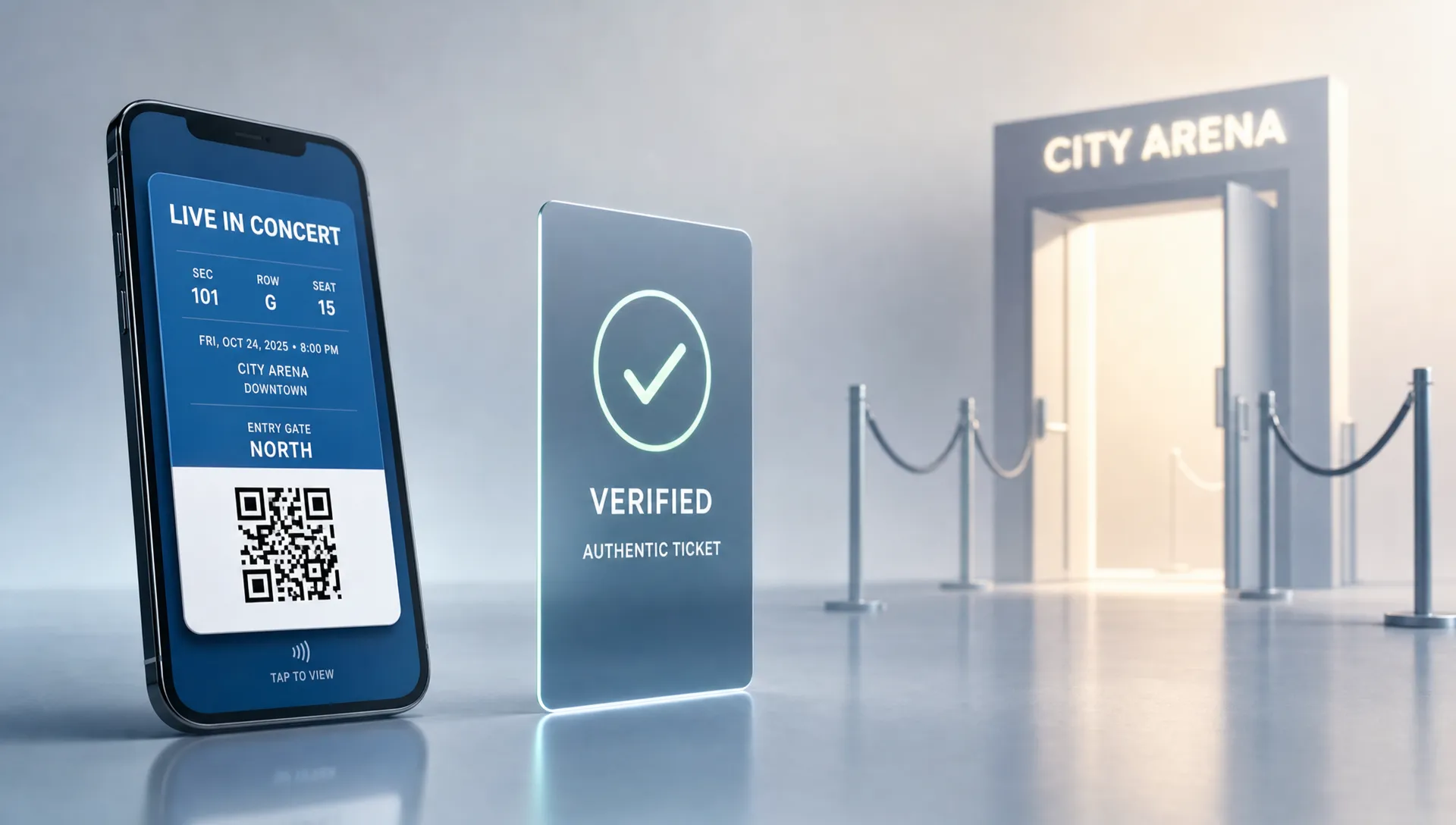
How to Choose a Website to Purchase Tickets With Confidence
Choosing where to buy a ticket should not feel like a leap of faith. For attendees, a trustworthy ticketing site answers three questions fast: Is this event real, is my payment safe, and will my ticket arrive when I need it?
For organizers, music producers, promoters, and anyone managing event cash flow, those same questions directly affect sales. The website to purchase tickets is not just a checkout tool. It is part of your brand, your revenue system, your attendee experience, and your front-door operation.
A confident buyer is more likely to complete the purchase, share the event, arrive prepared, and trust your next announcement. A doubtful buyer delays, abandons the cart, messages your team, or chooses another night out.
This guide breaks down how attendees can evaluate ticketing sites, and how organizers can choose a platform that makes buyers feel safe from the first click to the event entrance.
Confidence starts before the payment page
Most ticket purchases are emotional and time-sensitive. A fan wants to secure a place before a show sells out. A guest wants to confirm plans with friends. A conference attendee may need a receipt before their company approves reimbursement.
That means buyers are not only comparing price. They are judging the entire purchase flow. If the event page looks incomplete, the final price appears too late, or the confirmation process feels vague, hesitation builds quickly.
A strong ticketing website removes doubt early. It makes the event details easy to verify, explains ticket options clearly, shows the total cost before payment, and delivers the ticket without forcing unnecessary steps.
For organizers, this is important because trust is not built after the sale. It is built during the sale. Every extra field, hidden fee, unclear policy, or delayed confirmation creates a moment where the buyer can leave.
What makes a trustworthy website to purchase tickets?
A good website to purchase tickets should feel official, transparent, fast, and easy to verify. Buyers should not need to investigate the page like a detective before entering their card details.
Clear event identity
The page should immediately show the event name, organizer or brand, date, start time, venue, city, age restrictions if relevant, and the core reason someone should attend. If the buyer arrived through an artist page, venue page, email campaign, or social ad, the ticket page should match that promise.
This is especially important for music events, pop-ups, festivals, and nightlife, where tickets are often promoted through multiple channels. If the event branding changes too much between the post and the checkout, buyers may wonder if they landed on the right page.
Transparent ticket options
Ticket tiers should be easy to compare. A buyer should understand the difference between general admission, early bird, VIP, group tickets, or final release pricing without reading fine print.
If there are sales phases, capacity limits, or timed price changes, those rules should be communicated clearly. Scarcity can help sales, but unclear scarcity creates frustration.
Secure and familiar payment flow
A trustworthy ticket site uses a secure checkout, recognizable payment methods, and clear payment confirmation. The buyer should see that the payment page is protected and that sensitive card information is handled by a reputable payment system.
For organizers, security is not only about preventing fraud. It is also about perception. If checkout looks outdated or unfamiliar, buyers may stop even if the event itself is legitimate.
No unnecessary account creation
Forced registration is one of the fastest ways to slow down a ticket purchase. Buyers usually want the ticket, not another account to manage.
A smoother checkout lets people complete the purchase with the information needed for the transaction and delivery. If an account is useful later, it can be optional. When a platform supports buying without registration, it reduces friction at the most important moment.
Immediate ticket delivery
After payment, buyers expect instant reassurance. The confirmation page and email should make it obvious that the order succeeded, where the ticket is, and what to show at entry.
If ticket delivery is delayed, unclear, or buried in a long email, support requests increase. The buyer may also become anxious and less likely to trust future events from the same organizer.
| Confidence factor | What buyers want to know | Why it matters for organizers |
|---|---|---|
| Event identity | Is this the official event page? | Reduces doubt and support messages |
| Pricing clarity | What will I actually pay? | Prevents abandonment near checkout |
| Ticket tier clarity | Which ticket should I choose? | Helps buyers make faster decisions |
| Secure payment | Is my card information safe? | Increases completion rates |
| Guest checkout | Can I buy without creating an account? | Reduces friction on mobile |
| Instant delivery | Where is my ticket after payment? | Builds trust immediately after purchase |
| Entry instructions | What happens at the door? | Reduces confusion and delays |
If you want a deeper organizer-side view, this guide to building a high-converting ticketing website explains how checkout clarity, mobile flow, and transparent pricing influence sales.
Red flags buyers should watch for
Not every ticket page deserves your trust. Some issues are minor, but others should make buyers slow down before paying.
Watch for these warning signs:
- The event page does not clearly name the organizer, venue, date, or city.
- The final price is hidden until the last step of checkout.
- The page forces account creation before showing basic ticket details.
- The checkout page does not appear secure or redirects through unfamiliar payment pages without explanation.
- The ticket delivery method is unclear after purchase.
- Refund, transfer, or event-change policies are missing or difficult to find.
- The page looks unrelated to the artist, venue, organizer, or brand that promoted the event.
- There is no obvious way to contact the organizer or ticket provider for order issues.
For attendees, these signs can indicate a poor experience or a risky purchase. For organizers, they reveal what your buyers may be thinking before they abandon the page.
Different event types require different trust signals
A buyer at an underground music event, a corporate workshop, a fitness seminar, and a food festival may all need different forms of reassurance.
A music fan may care most about the lineup, venue, age policy, and whether tickets will scan smoothly at entry. A business attendee may look for invoices, schedule details, and clear refund rules. A wellness event buyer may expect a polished explanation of the experience, similar to how digital services such as personal training and nutrition coaching programs communicate process, personalization, and next steps before someone commits.
The lesson for organizers is simple: the ticket page should answer the specific doubts your audience is likely to have. Do not rely on generic checkout pages if your event requires context.
A practical confidence scorecard for ticket websites
Whether you are buying tickets or choosing a platform for your next event, use this simple scorecard. Rate each area from 1 to 5, where 1 means weak or unclear and 5 means clear, fast, and trustworthy.
| Area to evaluate | Buyer-focused question | Strong signal |
|---|---|---|
| Page legitimacy | Can I tell this is the official event page? | Consistent branding, organizer name, clear event details |
| Checkout speed | Can I complete the purchase quickly? | Few fields, no forced registration, mobile-friendly flow |
| Fee transparency | Do I know the full price before paying? | Fees shown before final confirmation |
| Ticket clarity | Do I understand what each ticket includes? | Simple tier names and concise descriptions |
| Payment confidence | Does the payment step feel secure? | Protected checkout and familiar payment handling |
| Delivery confidence | Do I know when and how I get my ticket? | Instant confirmation and clear ticket access |
| Entry readiness | Do I know what to show at the door? | Digital ticket, order confirmation, and clear instructions |
| Organizer operations | Can the team manage sales in real time? | Live sales control, flexible pricing, and guest list access |
A ticketing site does not need to be complicated to earn a high score. In many cases, the most trusted experience is the simplest one: clear event page, fast checkout, transparent costs, instant confirmation, and a smooth door process.
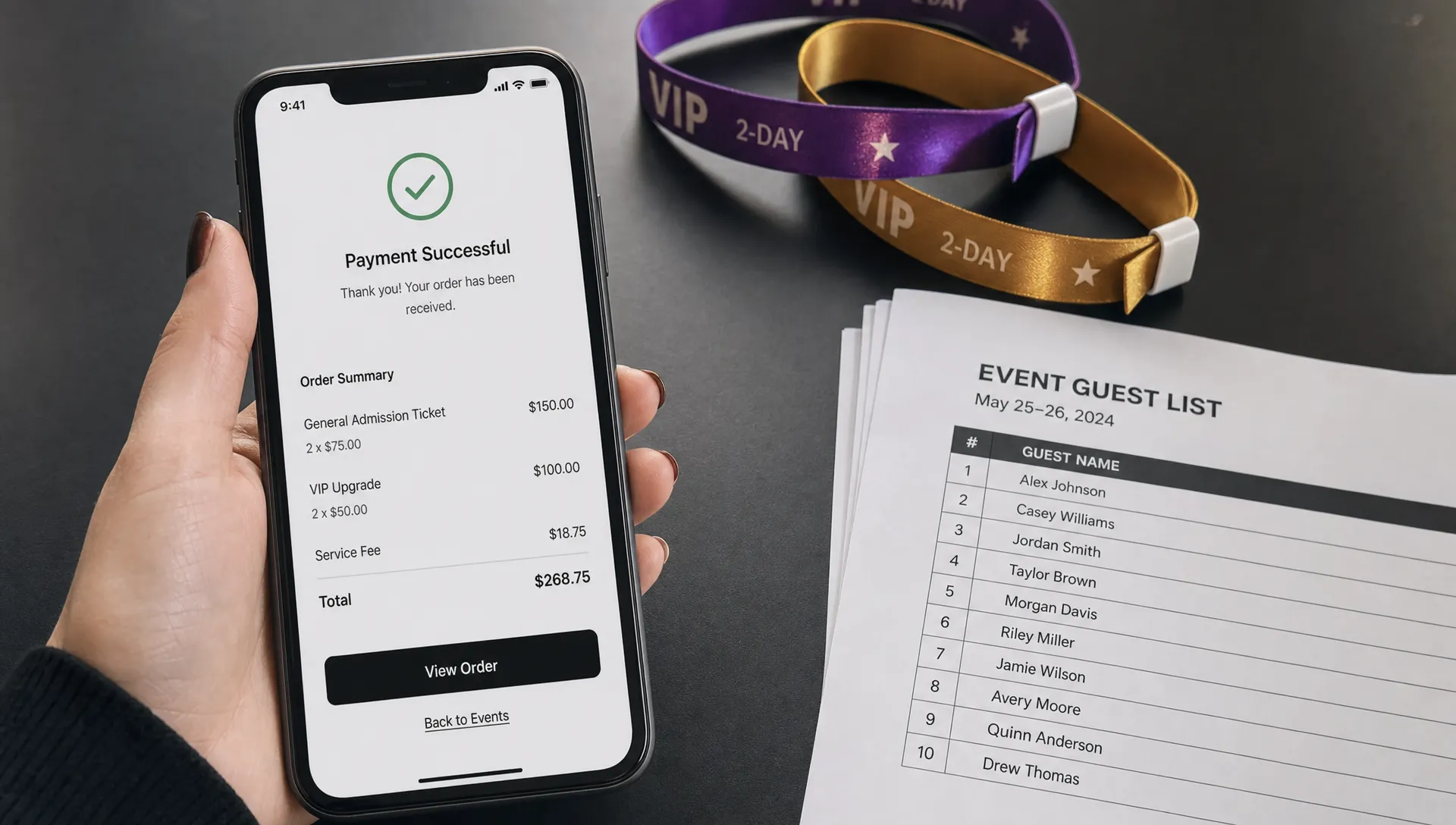
How organizers can turn buyer confidence into better cash flow
Buyer trust and organizer cash flow are connected. When checkout is smooth, more visitors become ticket holders. When fees are predictable, margins are easier to forecast. When payouts are fast, organizers can fund production, marketing, talent, staffing, and venue costs without waiting too long for revenue.
This matters for small and mid-size events, where cash timing can shape the entire production plan. A platform that holds funds too long or makes fees hard to calculate may create pressure even when ticket sales are strong.
Reduce checkout friction
Every ticket buyer arrives with a different level of intent. Some are ready to buy immediately. Others are deciding while messaging friends, checking transportation, or comparing plans. A checkout flow with too many steps gives uncertain buyers more time to leave.
For organizers, the goal is not to collect every possible piece of information. The goal is to collect what is necessary to sell the ticket, deliver it, and manage entry.
Keep pricing flexible but understandable
Unlimited ticket tiers, automated sales phases, and promo codes can be powerful tools when used clearly. Early bird pricing can reward fast action. VIP tiers can increase revenue per attendee. Promo codes can help track partners, artists, influencers, or community campaigns.
The key is clarity. Buyers should know why one ticket costs more than another and whether a promotion applies before they commit to payment.
Make ticket delivery part of the trust experience
The moment after payment is critical. If buyers immediately receive confirmation and know how to access the ticket, confidence goes up. If they wonder whether the order worked, your team may receive avoidable messages.
TixFlow has a separate guide on how ticket delivery impacts buyer trust, which is especially useful for organizers who want to reduce anxiety after purchase and improve the attendee experience before event day.
Give event teams real-time control
Sales do not always follow a perfect plan. A tier may sell faster than expected. A promo code may need to be paused. A capacity decision may change. A new artist announcement may create a sudden spike.
Real-time sales control helps organizers respond while momentum is happening. That control supports better revenue decisions and keeps the public-facing buying experience aligned with the event strategy.
Buyer confidence also affects entry
A purchase is not complete just because the payment succeeds. The ticket has to work at the door.
Clear digital tickets and digital guest lists help reduce confusion during check-in. They also help event teams handle common edge cases, such as a buyer who cannot find their confirmation email, a guest arriving under another person’s name, or a last-minute ticket tier change.
For music producers and promoters, this can protect the atmosphere at the door. A slow line creates frustration before the event even begins. A clean purchase and entry flow helps attendees feel that the event is well run.
What organizers should ask before choosing a platform
When selecting a ticketing partner, do not only ask whether the platform can sell tickets online. Most can. Ask whether the platform helps buyers feel confident and helps your team stay in control.
Important questions include whether buyers can purchase without creating an account, whether fees are predictable, whether payouts match your cash flow needs, whether you can customize the event page, and whether your team can manage ticket tiers, sales phases, promo codes, and guest lists without operational drag.
The right platform should make the ticket purchase feel effortless for attendees and manageable for the people behind the event.
Frequently Asked Questions
What is the safest website to purchase tickets from? The safest option is usually the official event page, venue page, artist page, or organizer-approved ticketing link. Look for clear event details, secure checkout, transparent pricing, and immediate confirmation.
Should a ticketing website require buyers to create an account? Not necessarily. For many events, forced registration adds friction and can reduce completed purchases. A guest checkout experience is often better, as long as the buyer receives clear confirmation and ticket access.
How can organizers make buyers feel more confident? Use consistent branding, clear event information, transparent fees, simple ticket tiers, secure payment handling, fast confirmation, and clear entry instructions. Confidence comes from removing uncertainty at each step.
Why does ticket delivery matter so much? Ticket delivery is the first proof that the purchase worked. If buyers receive their ticket quickly and understand how to use it, they are less likely to contact support or worry about entry.
How do ticketing fees affect buyer trust? Hidden or late-stage fees can make buyers feel misled. Transparent pricing helps people decide sooner and protects the credibility of the event brand.
Build a ticket buying experience attendees trust
If you organize events, the best ticketing site is not just the one that processes payments. It is the one that helps buyers feel safe, keeps checkout fast, supports your pricing strategy, and protects your cash flow.
TixFlow is built for modern event teams with instant payouts, flat per-ticket fees, no buyer registration, customizable event pages, unlimited ticket tiers, automated sales phases, smart promo codes, real-time sales control, digital guest lists, and Stripe Connect integration.
When attendees can purchase with confidence, organizers can plan with confidence too.