
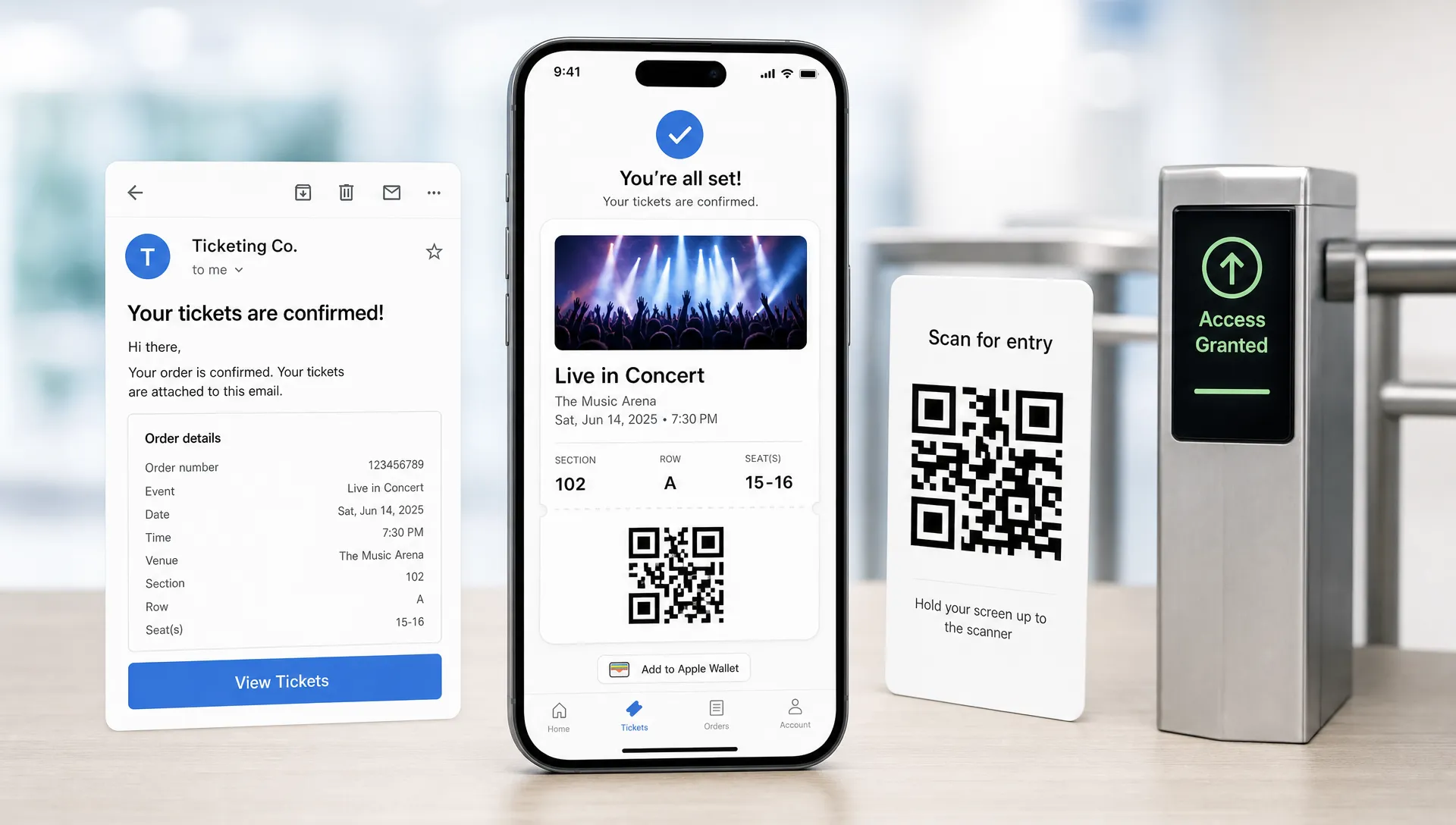
How Ticket to You Delivery Impacts Buyer Trust
For an event buyer, trust is not built only by the lineup, venue, or poster. It is built in the seconds after payment, when they ask a simple question: “Where is my ticket?”
That moment is easy to underestimate. To organizers, ticket delivery may feel like a technical step after checkout. To attendees, it is proof that the event is real, their payment worked, and they will be able to get through the door. If the ticket arrives instantly and clearly, confidence rises. If it is delayed, confusing, or hidden behind another login, doubt starts spreading fast.
This is why ticket to you delivery has a direct impact on buyer trust, conversion, support workload, and even cash flow. The smoother the delivery experience feels, the less friction buyers perceive throughout the entire event journey.
Why ticket delivery is a trust signal
When someone buys a ticket online, they are often making a decision based on limited information. They may not know the organizer personally. They may have discovered the event from social media, a friend, a flyer, or a creator’s post. The checkout experience becomes one of their strongest signals of legitimacy.
The ticket delivery step answers three trust questions immediately:
- Did my payment actually go through?
- Did I buy from a legitimate organizer?
- Will I have what I need to enter the event?
If those questions are answered within seconds, the buyer relaxes. If not, they may refresh their inbox, check their bank app, message the organizer, or start wondering whether they made a mistake.
This matters even more for independent promoters, music producers, nightlife brands, and community event organizers. Larger brands may benefit from existing recognition. Smaller teams often build trust transaction by transaction. Every clean ticket delivery reinforces that the event is professionally run.
What buyers expect after purchasing a ticket
Modern buyers are used to instant digital confirmation. They book rides, order food, reserve hotels, and receive confirmations right away. Event tickets are judged by the same standard.
A trustworthy post-purchase experience usually includes a few core elements. The ticket should arrive quickly. The event name, date, time, location, and ticket type should be obvious. The buyer should know whether the ticket is attached, embedded, accessible by link, or available at the door. They should not need to decode a vague receipt or create an account just to find what they paid for.
That last point is important. Forced registration can weaken buyer confidence because it adds another step between payment and proof. If you want to understand how much this affects conversion, TixFlow has covered why guest checkout can increase ticket sales by removing unnecessary account creation from the purchase flow.
For attendees, the best ticket delivery experiences feel almost invisible. They pay, they receive the ticket, and they know exactly what to do next.
How poor ticket delivery damages buyer trust
Poor delivery does not always mean the ticket never arrives. Sometimes the ticket technically arrives, but the experience still creates anxiety.
A confirmation email might land in spam. The ticket link might look unfamiliar. The buyer may receive a payment receipt but no actual ticket. The QR code may be hard to find. The email may use a platform brand the attendee does not recognize instead of the event’s brand. Any of these issues can make buyers question the purchase.
That uncertainty has business consequences. It can increase support messages, refund requests, duplicate purchases, and disputes. It can also reduce word-of-mouth momentum. A buyer who feels unsure about their ticket is less likely to invite friends confidently.
| Delivery issue | What the buyer may think | Organizer impact |
|---|---|---|
| Ticket arrives late | “Did I get scammed?” | More support messages and refund concerns |
| Confirmation is unclear | “Is this my ticket or just a receipt?” | Confusion before entry and higher check-in pressure |
| Buyer must create an account | “Why do I need another login?” | More checkout abandonment and password-related friction |
| Ticket branding looks unfamiliar | “Did I buy from the right place?” | Lower confidence in the organizer’s professionalism |
| QR code or entry instructions are hard to find | “Will this work at the door?” | Slower entry and more staff intervention |
For organizers who care about cash flow, this is not just a customer experience issue. Trust affects whether buyers complete checkout, whether they recommend the event, and whether revenue is available without being tied up in avoidable disputes.
The psychology of the “ticket to you” moment
The post-payment moment is emotionally sensitive because the buyer has already committed. Before checkout, they still feel in control. After checkout, they are waiting for confirmation that the decision was safe.
Instant delivery creates closure. The buyer sees the ticket and mentally moves from “I hope this worked” to “I am going.” That shift is powerful because it turns a transaction into anticipation.
Delayed or unclear delivery keeps the buyer in uncertainty. Even if the issue is resolved later, the first impression has already been weakened. For events, that can affect the entire relationship. A person who had to chase their ticket may arrive expecting more friction at the door.
Good delivery also creates shareability. When a buyer instantly receives a clean digital ticket, they are more likely to forward details to friends, add the event to their calendar, or post about attending. Trust becomes momentum.
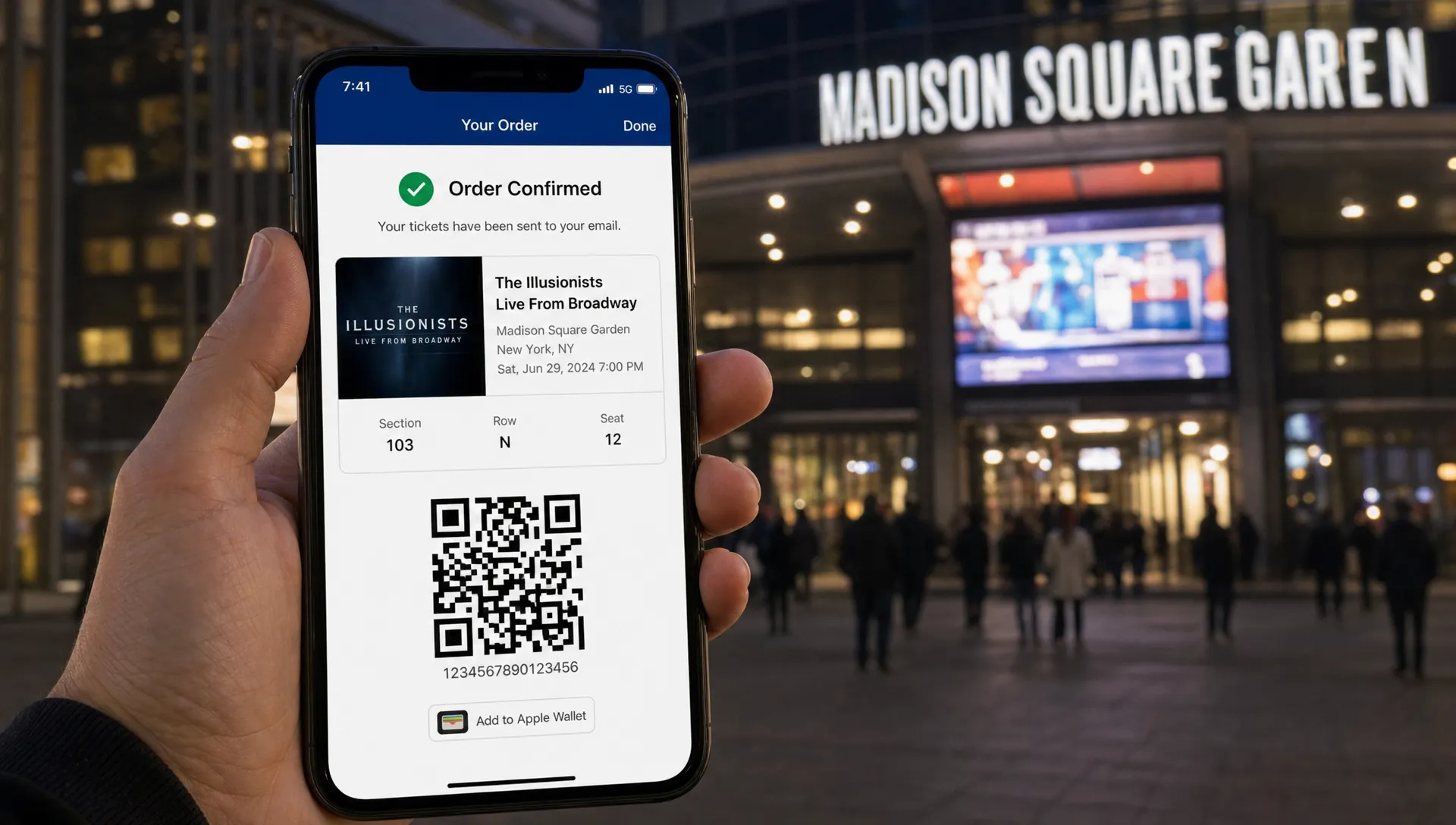
Delivery is part of checkout, not an afterthought
Many organizers think of ticket delivery as something that happens after the sale. Buyers experience it as part of the purchase itself.
A checkout flow does not feel complete when payment is submitted. It feels complete when the buyer receives usable proof of entry. That is why ticket delivery should be considered a conversion factor, not just an operational detail.
The strongest checkout and delivery flows usually share the same qualities: they are fast, clear, mobile-friendly, and consistent with the event’s brand. If you are optimizing the full journey, it helps to think beyond the payment page and consider how online tickets improve checkout and entry as one connected experience.
This connection is especially important for mobile buyers. Many event purchases happen from a phone after someone sees a post, story, message, or ad. If that buyer has to search through emails, reset a password, or download an unfamiliar app, trust can drop quickly.
Email delivery still matters, even for mobile-first events
Even when tickets are mobile-first, email remains one of the most important trust channels. It acts as the buyer’s receipt, backup, reference point, and proof of purchase.
For organizers and technical teams, testing email delivery should be part of the event setup process. Confirmation emails need to arrive reliably, show the right ticket details, display cleanly on mobile, and handle edge cases such as multiple ticket purchases or promo codes. Teams that automate QA or custom ticketing workflows can use programmable temp inboxes for ticket email testing to verify confirmation flows without manually creating new inboxes for every test scenario.
This kind of testing is not just technical hygiene. It protects the buyer experience. A broken confirmation email can turn an otherwise successful sale into a support problem.
What a trustworthy ticket delivery message should include
A ticket delivery message should be simple enough for a first-time buyer to understand in seconds. The goal is not to impress them with complexity. The goal is to remove doubt.
At minimum, the buyer should be able to identify the event, the ticket type, and the entry method immediately. If the event has age restrictions, entry windows, venue rules, or important arrival instructions, those should be easy to find without burying the actual ticket.
A clear delivery message often includes:
- Event name and organizer identity
- Date, time, venue, and address
- Ticket tier or category purchased
- Quantity of tickets purchased
- QR code, barcode, or clear entry credential
- Short instructions for entry and support
- A recognizable sender name and subject line
The sender name matters more than many organizers realize. If the buyer expects your event brand but receives a generic or unfamiliar email, they may ignore it or mistrust it. This is one reason brand continuity matters across the purchase journey. TixFlow has also explored why white label ticketing supports brand identity, especially when organizers want the buyer relationship to stay centered on their event, not the platform behind it.
Faster delivery reduces support pressure
Every unclear ticket creates the possibility of a support request. “I did not get my ticket.” “Can you resend it?” “Is this email enough to enter?” “My friend bought tickets and cannot find them.” These questions may seem small, but they add up quickly as event day approaches.
For small teams, support volume is not just annoying. It takes time away from promotion, production, artist coordination, venue setup, and guest management. For larger teams, it can create staffing costs and operational risk.
Fast, reliable ticket delivery reduces these questions before they happen. It also gives support teams a clearer baseline. If the standard delivery experience is consistent, it becomes easier to identify and resolve the few cases that need human attention.
This is where digital guest lists also help. When ticket delivery, buyer records, and entry validation are aligned, door staff can verify attendees more confidently. That reduces the chance of a buyer being turned away because of a missing email or unclear proof of purchase.
Ticket delivery affects fraud perception
Buyer trust is not only about whether the ticket arrives. It is also about whether the buyer believes the ticket will work.
Fraud fear is common in event ticketing, especially for high-demand shows, nightlife events, festivals, and resale-heavy categories. If buyers receive vague PDFs, screenshots, or unbranded confirmations, they may worry about duplicates or fake tickets.
Clear digital formats help reduce that fear because they establish a more controlled relationship between the ticket, buyer, and entry process. If you are evaluating formats and validation methods, it is worth reviewing how digital ticket formats reduce fraud and improve entry.
The buyer does not need to understand the entire fraud prevention system. They just need to feel that the ticket is official, traceable, and accepted at the door.
How TixFlow supports a more trusted buying experience
For organizers, the ideal ticketing system should make trust easier to build without creating extra operational work.
TixFlow is designed for modern event teams that want fast setup, low fees, and more control over the sales experience. Features like no buyer registration, customizable event pages, unlimited ticket tiers, automated sales phases, smart promo codes, real-time sales control, digital guest lists, Stripe Connect integration, and instant payouts all support a smoother path from purchase to entry.
From a buyer trust perspective, the most important principle is simple: reduce friction while increasing clarity. When people can buy without unnecessary registration, understand what they are purchasing, and receive proof quickly, they are more likely to feel confident in the event.
For organizers, that confidence can translate into fewer abandoned checkouts, fewer support messages, cleaner entry, and better control over revenue timing.
A practical ticket delivery trust checklist
Before launching sales, organizers should test the delivery experience like a buyer, not just like an admin. Buy a test ticket on mobile. Check the confirmation page. Open the email. Search for the QR code. Imagine you are arriving at the venue in a crowd with low battery and limited patience.
Use this checklist before going live:
- The buyer can complete checkout without unnecessary account creation.
- The confirmation page clearly says the purchase was successful.
- The ticket email arrives quickly and has a recognizable sender.
- The event name, date, location, ticket type, and quantity are easy to find.
- The entry credential is visible and mobile-friendly.
- Support instructions are short, specific, and easy to follow.
- Door staff can validate the buyer even if the email is hard to find.
- Promo codes, ticket tiers, and sales phases have been tested before launch.
The best test is whether a first-time attendee could understand the ticket in under 10 seconds. If they can, your delivery experience is probably doing its job.
Frequently Asked Questions
Why does ticket delivery affect buyer trust so much? Ticket delivery is the buyer’s first proof that payment worked and entry is secured. If the ticket arrives instantly and clearly, it reassures the buyer. If it is delayed or confusing, the buyer may doubt the organizer or worry about getting into the event.
Is email still important if attendees use mobile tickets? Yes. Email is still a key backup and confirmation channel. Buyers often search their inbox for event details, receipts, and tickets, especially on event day. A clear email reduces confusion even when the ticket itself is mobile-friendly.
Should buyers have to create an account to receive tickets? In most cases, forcing account creation adds friction and can reduce trust. Buyers usually want the fastest path from payment to proof of entry. Guest checkout helps keep the experience simple.
What is the biggest ticket delivery mistake organizers make? One of the biggest mistakes is treating the confirmation message as a basic receipt instead of a trust-building moment. Buyers need clear event details, a visible ticket or entry credential, and simple instructions.
How can organizers reduce “I did not receive my ticket” messages? Organizers can reduce these messages by using recognizable sender names, clear subject lines, instant confirmation pages, reliable email delivery, mobile-friendly ticket formats, and a digital guest list that supports quick verification at the door.
Build trust from checkout to entry
Ticket delivery is not a small technical detail. It is the moment buyers decide whether your event feels reliable, professional, and worth recommending.
With TixFlow, organizers can create a smoother ticketing experience with easy setup, low fees, instant payouts, flexible pricing, real-time sales control, customizable event pages, and no buyer registration. If you want attendees to feel confident from the second they buy to the moment they enter, start by making the ticket delivery experience fast, clear, and trustworthy.