
When Free Ticketing Makes Sense for Event Organizers
Free ticketing can be a smart growth lever, but it is not automatically the “generous” or “easy” choice. For event organizers, the question is not simply whether attendees should pay. The better question is what the ticket is supposed to accomplish.
If your event exists to generate revenue at the door, free tickets may undermine the business model. If your event exists to build community, fill a sponsor-backed room, qualify leads, test demand, or reduce friction for a new audience, free ticketing can make perfect sense.
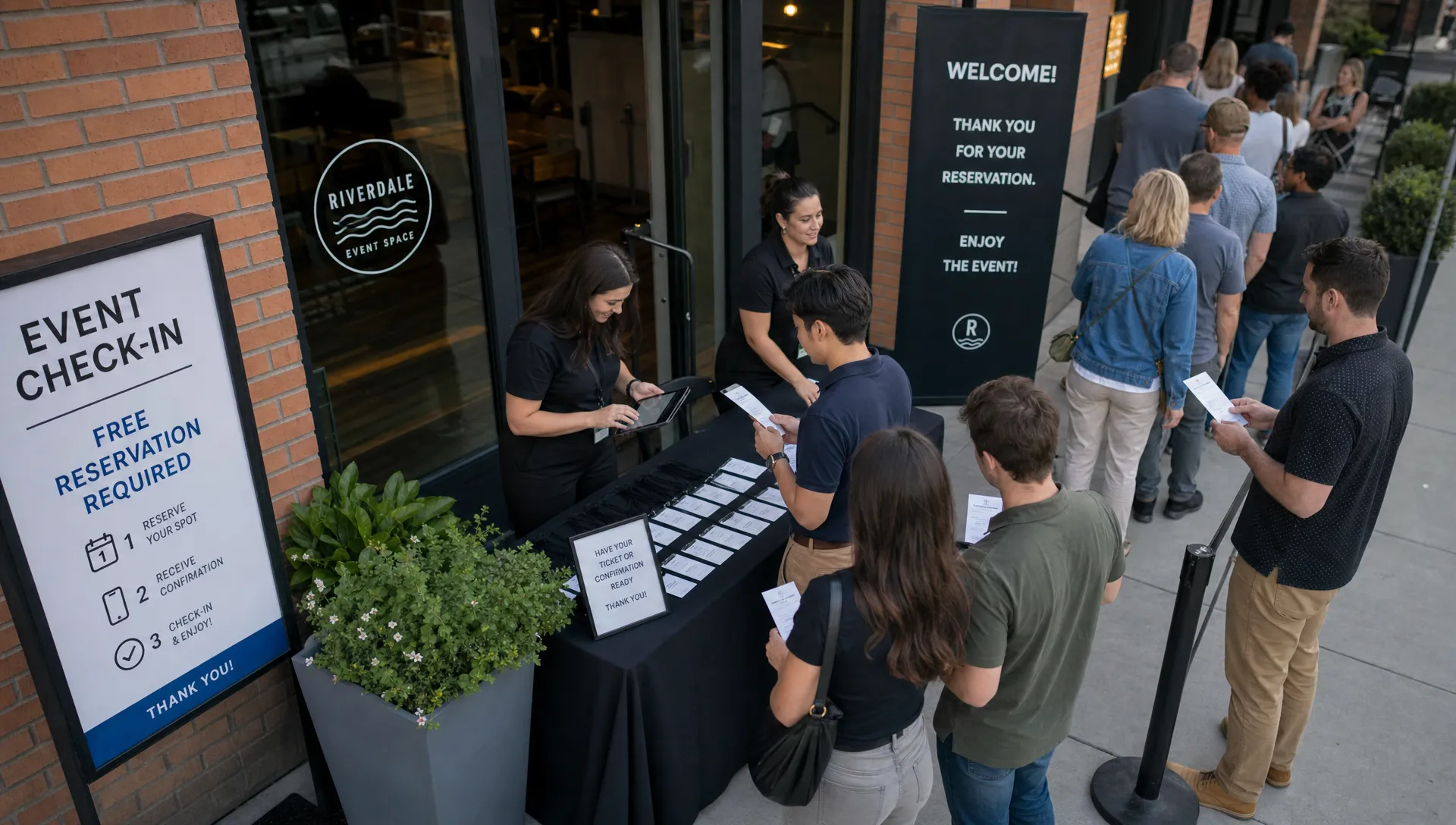
The important distinction is this: free admission should not mean no ticketing process. Even when the ticket price is $0, a ticketing flow can help you control capacity, forecast attendance, manage entry, communicate with guests, and learn which channels actually drive turnout.
What “free ticketing” really means
Free ticketing usually means attendees can reserve a place without paying upfront. That could be a completely free event, a free RSVP tier inside a larger paid event, a sponsored event where a partner covers the cost, or a promotional allocation used to bring in press, creators, VIPs, or community members.
It does not mean you should simply open the doors and hope the right number of people show up. That approach might work for a casual public gathering, but it becomes risky as soon as you have venue limits, staffing needs, food and beverage planning, security requirements, sponsor reporting, or a guest experience to protect.
| Approach | What attendees experience | What organizers control | Best use case |
|---|---|---|---|
| Open door | No signup, no ticket, just arrive | Very little | Low-risk public activations with flexible capacity |
| Free ticketing | Reserve a $0 ticket or RSVP | Capacity, guest list, confirmations, attendee data | Community events, launches, workshops, sponsor-backed events |
| Free tier in a paid event | Some guests enter free, others pay | Segmented access and promotion | VIPs, press, members, early community supporters |
| Promo code or comp ticket | Discounted or free access via code | Targeted allocation | Partners, creators, speakers, staff, loyalty campaigns |
The structure matters because every attendee still creates operational impact. A free guest may not pay at checkout, but they still affect room layout, check-in lines, staffing, capacity, and post-event reporting.
When free ticketing makes sense
Free ticketing is strongest when ticket revenue is not the primary success metric. That does not mean the event has no business value. It means the value is captured somewhere else.
You are building audience trust
If people do not know your brand yet, charging for the first interaction can slow momentum. Free admission lowers the perceived risk for attendees who are curious but not committed. This is especially useful for first-time event series, community meetups, educational sessions, brand launches, open houses, and local cultural events.
A free ticket gives attendees a simple way to say, “I’m interested,” while giving you a measurable signal of demand. That signal is more useful than social media likes because it connects interest to a specific date, venue, and commitment.
Sponsors or partners fund the event
For sponsor-backed events, the economic logic changes. The attendee is not necessarily the customer. The sponsor may be paying for reach, engagement, qualified leads, brand association, or community access.
In that case, free ticketing can help maximize attendance while still creating accountability. A ticketed registration flow lets you track registrations, show check-in volume, identify acquisition channels, and provide sponsors with a clearer picture of event performance.
You need volume more than margin
Some events are designed for awareness, not direct profit. Product demos, recruiting events, creator showcases, gallery openings, civic programs, and educational workshops often benefit from a wider audience. If the marginal cost of one more attendee is low, free ticketing can help you reach the room density you need.
The key is to avoid confusing registrations with guaranteed attendance. Free events often require stronger confirmation flows, waitlists, reminders, or controlled capacity to protect the actual turnout.
You are testing demand before charging
Free ticketing can be a useful validation step. If you are launching a new concept, city, format, speaker series, or venue partnership, a free event can show whether the market cares before you introduce a paid model.
That said, free demand is not the same as paid demand. If the long-term goal is revenue, treat the first free event as a learning tool. Track who registered, who attended, which channels converted, and what people said they would pay for next time.
You want to remove friction for a time-sensitive audience
For some audiences, every extra step lowers conversion. Students, nightlife guests, busy professionals, and mobile-first buyers often abandon slow registration flows. If the event is free, forcing account creation can feel especially unnecessary.
This is why checkout design matters even when the price is zero. TixFlow’s perspective on why guest checkout matters for ticket sales is relevant here because the same principle applies to free reservations: the more effort you add, the more people you lose before they commit.
When free ticketing is the wrong move
Free ticketing becomes risky when scarcity, cost, or positioning matter more than reach.
If you have limited seats and strong demand, a free ticket can attract casual reservations that block serious attendees. If every attendee adds real cost, such as catering, seating, materials, transport, or staffing, free admission can quickly become expensive. If the event depends on premium perception, free access may weaken the positioning.
It can also make forecasting harder. A paid ticket creates a stronger commitment signal. Even a modest price can reduce speculative signups and help attendees value the event. If you are unsure whether to choose free, low-cost, or premium pricing, the framework in TixFlow’s guide on how to price tickets for small events can help you think through costs, demand, and audience expectations.
Free ticketing is also a poor fit when you need to prove that people will pay. If investors, partners, artists, venues, or internal stakeholders care about revenue validation, free registrations may not answer the real question.
The hidden costs of free tickets
A free ticket can remove payment friction, but it can introduce other forms of cost. The most common is no-show risk. When attendees pay nothing, some will reserve “just in case” and skip the event if something else comes up.
There is also an opportunity cost. Every free seat could have been a paid seat, a sponsor allocation, a member benefit, or a VIP relationship builder. For high-demand events, giving away too much inventory can reduce revenue and frustrate paying guests.
| Risk | Why it happens | How to reduce it |
|---|---|---|
| High no-show rate | No financial commitment | Send reminders, use waitlists, cap reservations, consider a low-cost tier |
| Overcrowding | Too many people arrive without accurate forecasting | Use ticket limits, check-in controls, and real-time guest list updates |
| Empty room | Registrations do not convert to attendance | Confirm attendance, release unconfirmed spots, promote closer to event day |
| Weak sponsor reporting | Attendance is not tracked clearly | Use ticketed registration and check-in data |
| Lost revenue | Free inventory replaces paid demand | Limit free tiers or use promo codes for targeted access |
| Poor audience fit | Free attracts people outside the intended segment | Use invite links, targeted promotion, or qualifying questions where appropriate |
The goal is not to avoid free tickets completely. The goal is to use them deliberately, with rules that match the event’s economics.
How to design a free-ticket event that still works
A strong free-ticket strategy starts with the event objective. Before you set the price to zero, define the outcome you are optimizing for.
Common objectives include audience growth, sponsor value, lead generation, member engagement, community building, press visibility, product education, and demand testing. Each objective changes what you should collect, what you should measure, and how much capacity you should release.
For example, a sponsor-backed networking event may need job titles and company names. A community workshop may only need name and email. A high-volume music event may prioritize fast entry and guest list accuracy over long registration forms. The less attendees pay, the more carefully you should protect the rest of the experience.
Keep the registration flow short. Ask for only the information you actually need. If you collect personal data, handle it responsibly and transparently. The FTC’s business guidance on privacy and security is a useful starting point for understanding why data minimization and clear practices matter.
Use capacity controls early. If the venue holds 200 people, do not release unlimited free tickets unless you have a clear overflow plan. Some organizers overbook based on historical no-show patterns, but that only works when safety rules, venue policies, and guest experience standards allow it.
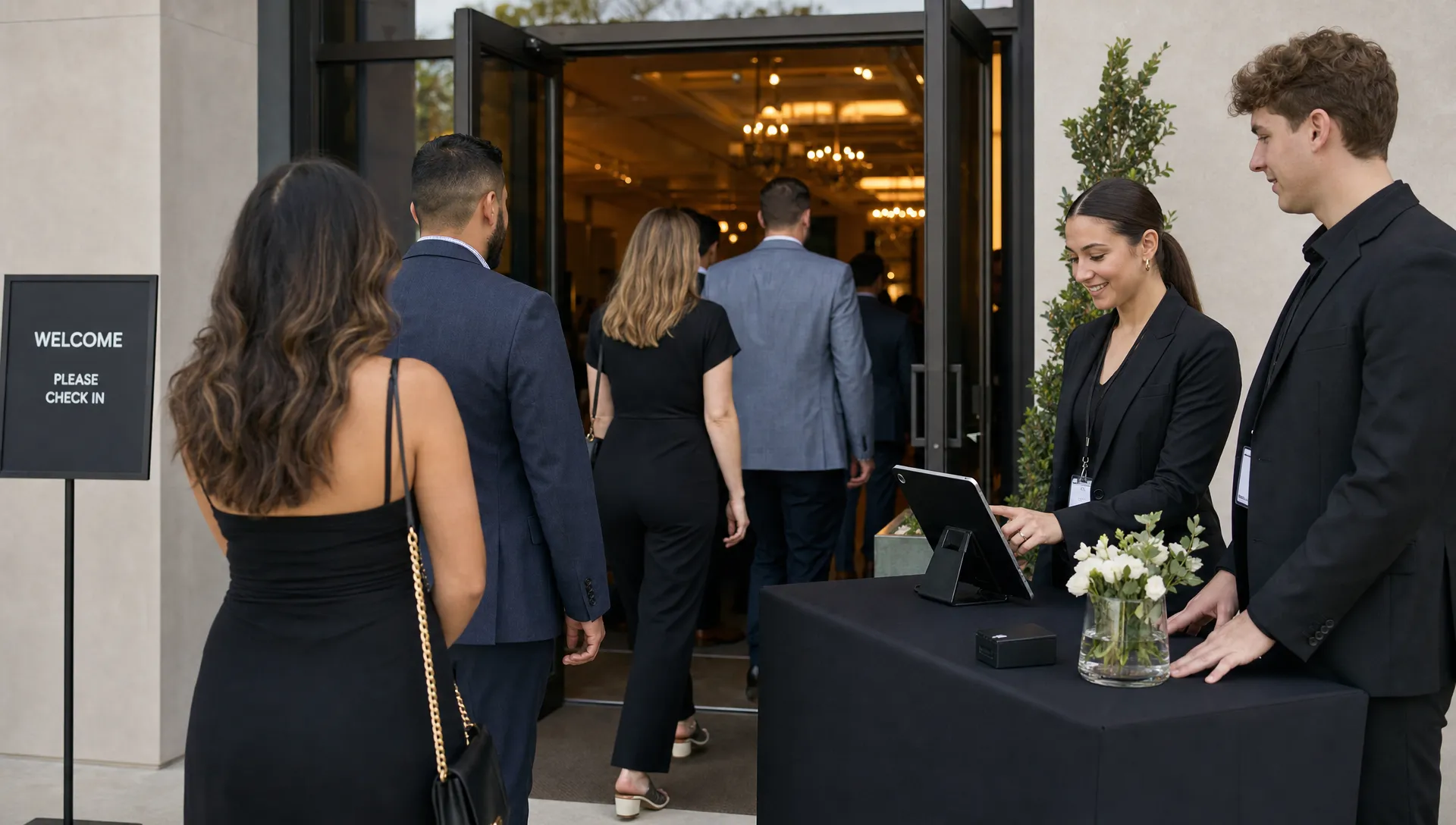
Finally, build a communication sequence. A free registration should trigger clear confirmation, calendar details, arrival instructions, and reminders. If capacity is tight, consider asking attendees to reconfirm before the event and releasing unconfirmed spots to a waitlist.
Free, low-cost, or hybrid: which model fits?
Free ticketing is one option, not the only friction-reducing option. In many cases, a low-cost or hybrid model gives you the best balance between accessibility and commitment.
| Model | Best for | Watch out for |
|---|---|---|
| Fully free | Awareness, community, sponsor-backed events | No-shows, weak commitment, limited revenue |
| Low-cost | Workshops, niche meetups, local shows, educational sessions | Price must still feel worth paying |
| Donation-based | Fundraisers, community causes, public programs | Revenue is unpredictable |
| Hybrid free and paid | Events with VIP areas, early access, workshops, add-ons | Tier rules must be clear |
| Free with promo codes | Targeted access for partners, press, creators, members | Codes need limits and tracking |
A hybrid model is often the most flexible. You might offer a small free allocation to build momentum, then introduce paid tiers as demand grows. You might give sponsors or community partners a controlled number of complimentary tickets while keeping general admission paid. You might offer free entry but charge for workshops, premium seating, merchandise, or add-ons.
If you introduce paid tiers, make sure you understand how fees affect net revenue. TixFlow’s article on how to stop absorbing ticket fees is useful when you are deciding whether fees should be included in the ticket price or passed on transparently.
A simple decision framework for organizers
Free ticketing makes the most sense when most of the following statements are true:
- The event’s main value comes from attendance, awareness, sponsorship, community, or relationship building.
- The marginal cost of each extra attendee is low or already funded.
- You can tolerate some no-shows or manage them with reminders and waitlists.
- You need attendee data, capacity control, or check-in visibility.
- The audience is early in the relationship and needs a low-risk first step.
- Free access supports the brand rather than diluting it.
Free ticketing makes less sense when seats are scarce, costs rise with each attendee, the event depends on premium positioning, or you need proof of willingness to pay.
If the decision is close, do not treat it as all-or-nothing. Start with a limited free tier, use promo codes for targeted groups, or run one free pilot before moving to paid admission. The best pricing strategy is often progressive: reduce friction early, then charge once the value is proven.
Frequently Asked Questions
Is free ticketing the same as an open-door event? No. Free ticketing still uses registration, tickets, or RSVPs to manage attendance. An open-door event has little or no attendee tracking, which can make capacity planning and reporting harder.
Do free tickets increase attendance? They can increase registrations because there is no payment barrier. However, registrations do not always translate into attendance, so reminders, waitlists, and check-in tracking are important.
How can I reduce no-shows for a free event? Send timely reminders, make calendar details easy to save, ask for reconfirmation when capacity is limited, cap ticket quantities, and consider a low-cost ticket if commitment matters.
Can I mix free and paid tickets for the same event? Yes. Many organizers use free tiers for sponsors, press, members, early community supporters, or limited promotions while keeping general admission or premium access paid.
Should I collect attendee information for a free event? Collect only what you need to run the event and measure success. A shorter form usually converts better, and responsible data handling builds trust.
Make free ticketing work without adding friction
Free ticketing is most effective when it is intentional. Use it to lower barriers, build momentum, satisfy sponsor goals, or learn about demand, but keep control over capacity, communication, and the guest experience.
TixFlow helps organizers create customizable event pages, manage unlimited ticket tiers, control sales in real time, use digital guest lists, and keep checkout simple with no buyer registration. If free ticketing is part of your strategy, or if you are building a hybrid model that includes paid tiers, you can build your next event flow with TixFlow and choose the structure that fits your goals.